
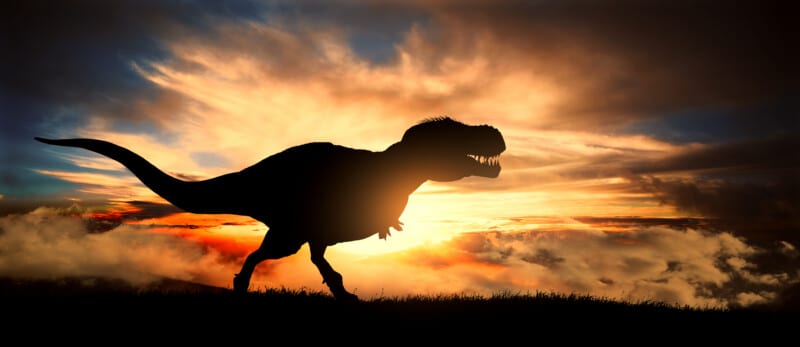
Stepping into a time machine and being transported back to when squawking and screeching sounds signaled you were connecting to the internet. Digital advertising was born from that primeval ooze. Banner ads, the T-Rex of digital advertising, made their appearance. Random ads placed in random places on a website with the hope that it would produce money for the website owner and the advertiser. Well, here we go again with ChatGPT advertising, the modern T-Rex of digital advertising.
Taking a bird’s-eye view of the meetings in ChatGPT’s boardroom.
Step 1: Hey, we put this thing out to the world called ChatGPT, and if we are lucky, it will catch on, and people will use it, and we can beat big bad Google. Won’t that be great?
Step 2: Don’t worry about copyright infringement for now; we have to do it to compete.
Step 3: Hey, look, people are using it. Like wow, a lot more than we ever expected. Shit, this is starting to cost real money to do this for free. Our investors want to see us change the flow of money.
Step 4: Hey, let’s monetize our tool, get people to pay for it. So yes, we will have the free taster, then the paid version that’s faster, and it’s unlimited.
Step 5: Hey, look, not enough people are buying paid subscriptions; we need to make the shareholders happy. I know, let’s add paid advertising.
And that’s where we are today.
Every content-based internet startup has run the above plan since the screeching and squawking gave way to the dot-com boom.
Their paid advertising is messed up today because they haven’t figured out what works yet. The ads showing on ChatGPT today aren’t related to the query/question in any way. In fact, ChatGPT promotes not being related today as it’s their version of a fairness algorithm. Hey, nobody’s ad will show on a relevant query/question.
Therefore, today ChatGPT advertising is like banner advertising in the beginning days of internet advertising. We’ll show your ad randomly to people using our website, and maybe some will click and come to your website.
This is the equivalent of Display Advertising in Google AdWords, which puts a much better ad (graphical/video/etc.) on actual websites you can choose to be on, and you pay only for clicks, which are still pennies today and would be a better place to put your money than ChatGPT today.
Google AdWords Search Campaigns and Google Gemini are taking the exact opposite approach, but hey, Google’s Advertising engine killed the dinosaur era of advertising.
Hopefully you can see that now is not the time to spend your money on ChatGPT’s advertising as the model doesn’t serve the small business owner. There are way better ways to spend your digital advertising dollars today.
Step 6: Hey, the big national advertisers aren’t happy with the results they are getting from our digital advertising. What should we do? Oh, I know we should create a premium tier of advertising where you can show up on relevant questions, but to be fair, we have to show more than one ad; therefore, we are going to have to put advertising into the basic subscription as well to make those national advertisers happy, because we need that revenue.
When ChatGPT gets to Step 6. Then maybe it becomes something you want to do.
The question is how many questions related to what you do they get in a month in your geographic area, and how much do you have to pay to play.
I have seen this cycle of business development in the internet space played over and over again. It’s no different this time around.
I’ve finally learned it’s too early to get in. It only took a lifetime to figure that out, but to some, I’m an internet dinosaur.

- When dinosaurs walked the Internet, and ChatGPT’s modern T-Rex - September 8, 2026
- Silently positioning themselves as… - August 27, 2026
- Social Media Sucks Today - July 19, 2024